Mikao Usui · 1865–1926
Mikao Usui's biography: Usui Reiki founder Mikao Usui
Biography · Memorial inscription · Mount Kurama · Three major Reiki holy sites
Mikao Usui founded Usui Reiki. Many accounts of his life circulate, but the most important and reliable historical source is the “Memorial to the Merit of Usui Sensei, Founder of the Spiritual Method”, erected by his students at Saihoji Temple in Tokyo the year after his death.
This page includes the full memorial inscription and a plain-language explanation, a translation of the birthplace memorial completed in 2018, a timeline of Mikao Usui's life, and the three sacred Reiki sites of Taniai, Mount Kurama and Saihoji Temple.
Mikao Usui at a Glance
| Item | Details |
|---|---|
| Name | Mikao Usui, also known by the pen name Gyoho |
| Birth | 15 August 1865 (the fifteenth day of the eighth month of Keio 1), Taniai village, Yamagata district, Gifu Prefecture (now Yamagata City) |
| Family background | The inscription traces his ancestry to Chiba Tsunetane, names his father as Taneuji (commonly called Uzaemon), and gives his mother's family name as Kawai. |
| Spiritual practice | Received Reiki after twenty-one days of fasting and practice on Mount Kurama, Kyoto |
| Founding the society | April 1922 (April, Taisho 11), Aoyama-Harajuku, Tokyo |
| Death | 9 March 1926 (9 March, Taisho 15), died of illness while travelling in Fukuyama, Hiroshima Prefecture |
| Age | The inscription gives his age as 62 using traditional age reckoning; he was 60 by modern reckoning. |
| Burial place | Saihoji Temple, Tokyo (now in Suginami Ward) |
| Students | The inscription records “more than two thousand” |
On this page
- Timeline of Mikao Usui's Life
- Place of Practice: Mount Kurama and Kuramadera Temple, Kyoto
- Birthplace: The Taniai Birthplace Memorial
- Resting Place: Full Text of the Saihoji Memorial Inscription
- The Memorial Inscription in Plain Language
- The Five Principles in the Inscription
- The Spirit of Usui Reiki in the Inscription
- After Mikao Usui: How Reiki Spread Around the World
- Frequently asked questions
Timeline
1. Timeline of Mikao Usui's Life
| Year | Event | Source |
|---|---|---|
| 15 August 1865 | Born in Taniai village, Yamagata district, Gifu Prefecture | Memorial inscription: “Born on the fifteenth day of the eighth month of Keio 1” |
| Adolescence | Studied diligently from childhood and surpassed his peers | Memorial Inscription: 'Childhood Studied Hard, Exceeded Peers' |
| Adulthood | Travelled in Europe, America and China; repeatedly faced hardship without yielding | Memorial inscription: “Travelled far to Europe and America, and journeyed in China” |
| Learning | Enjoyed histories, biographies, medical texts, and Buddhist and Christian scriptures; also studied psychology, spiritual practices, incantations, divination and physiognomy | memorial inscription |
| One day | Fasting for 21 days on Mount Kurama and receiving Reiki energy | Memorial inscription (no date specified) |
| Afterwards | Tried the method first on himself and his family, and observed effects | Memorial inscription: “Tried it on himself and his family” |
| April 1922 | Established a society in Aoyama-Harajuku, Tokyo, to teach the Reiki method | Memorial inscription: “April, Taisho 11” |
| September 1923 | After the Great Kanto Earthquake, went through the city daily to help injured people | Memorial inscription: “In September of the twelfth year [of Taisho], a great earthquake and fire broke out.” |
| Afterwards | Moved to Nakano outside the city because the training hall was too small | Memorial inscription: “Chose a site and built in Nakano, outside the city” |
| Later years | Invited to teach in Hiroshima, Saga, Fukuyama and other places | memorial inscription |
| 9 March 1926 | Died of illness while travelling in Fukuyama | Memorial inscription: “9 March, Taisho 15” |
| February 1927 | Students erected a memorial at Saihoji Temple | Inscription dated: “February, Showa 2” |
| 2018 | The birthplace memorial beside the approach to Amataka Shrine in Taniai was completed, with an unveiling ceremony on 23 September that year | Yamagata City official website |
For a complete introduction to Usui Reiki, read What Is Usui Reiki? A Complete Introduction to Mikao Usui and Reiki 。
Kurama · Place of Practice
2. Place of Practice: Mount Kurama and Kuramadera Temple, Kyoto
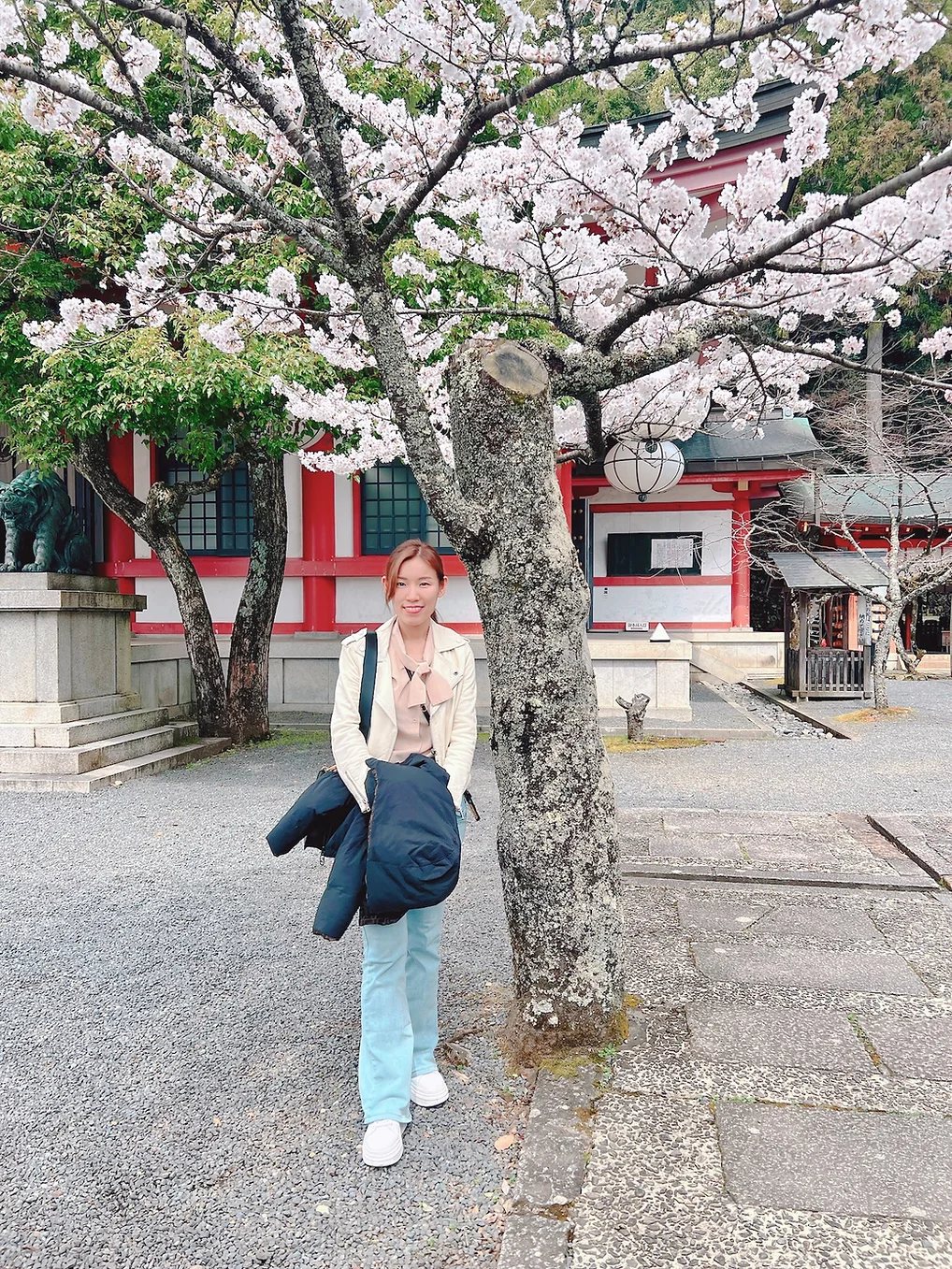
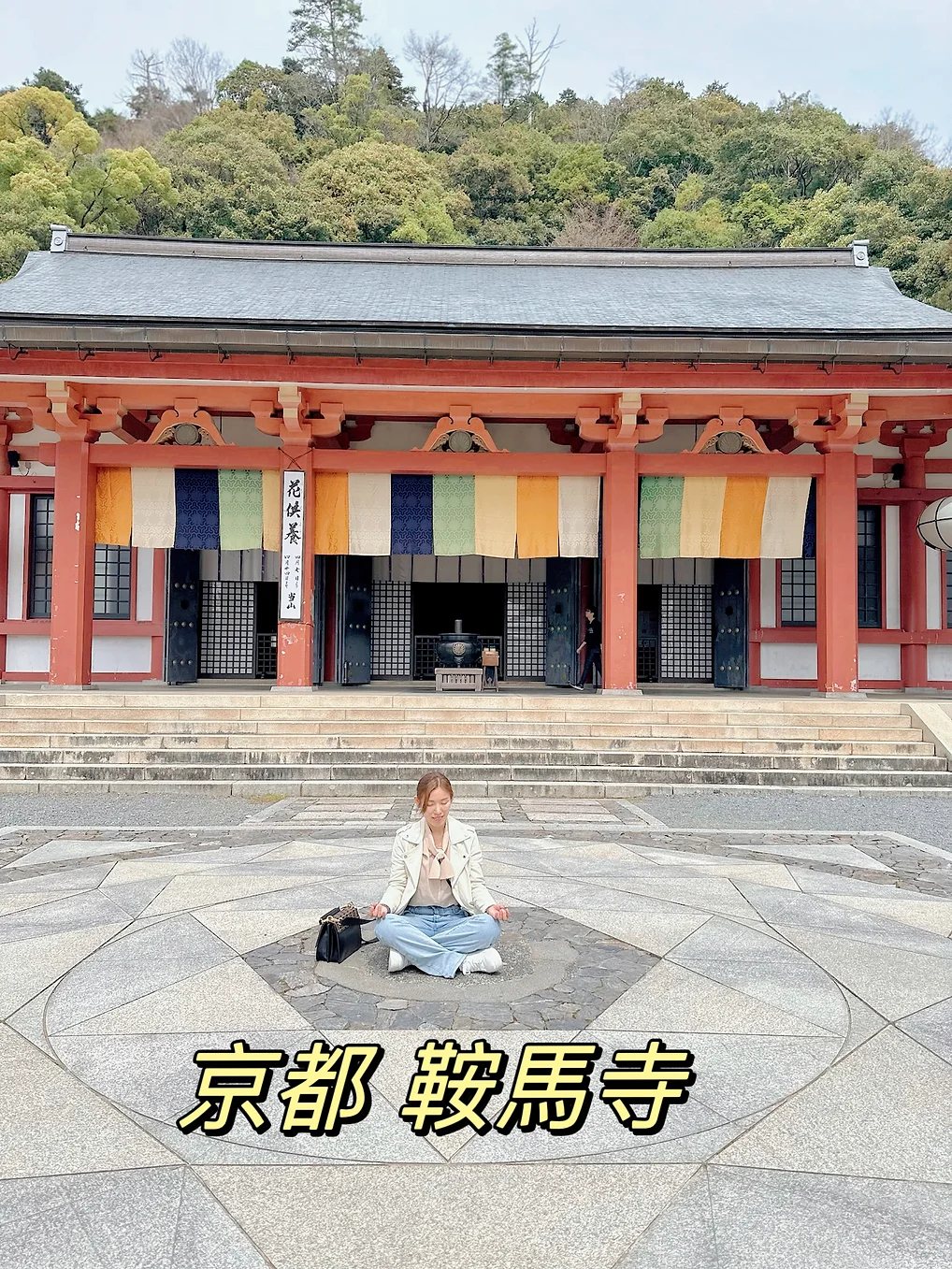
The memorial inscription records that Mikao Usui “climbed Mount Kurama one day and undertook rigorous fasting and practice. On the twenty-first day, he suddenly experienced a great spiritual energy and awakening; Reiki healing originated from this.” Mount Kurama in northern Kyoto is therefore regarded as Usui Reiki's place of spiritual practice. The ancient Kurama Temple stands on the mountain.
Words Traditionally Attributed to Usui
Let go of the small self, the ordinary self
Experience the spiritual energy between heaven and earth
Live in reverence amid the changing light
Pray for peace and purity in this world
For that other self that seeks the truth of itself, light a column of incense
—Words traditionally attributed to Usui; source not yet established
The Significance of Twenty-One Days
The account of the 21 days of practice on Mount Kurama later became the basis for many Western Reiki transmission suggestions of 'attunement followed by 21 days of self-healing'. For details, see What Does Reiki Attunement Feel Like? Students Share Their Experiences 。
Taniai · Birthplace
3. Birthplace: The Taniai Birthplace Memorial
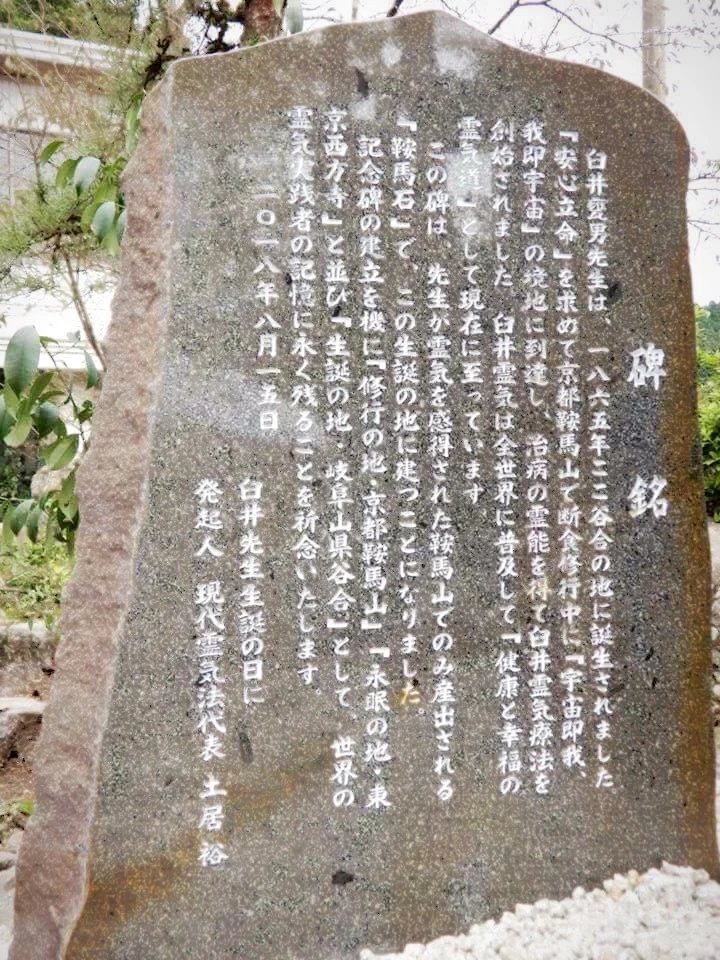
In 2018, the Mikao Usui Birthplace Memorial was completed beside the approach to Amataka Shrine in Taniai, Yamagata City, Gifu Prefecture. A committee of Reiki practitioners initiated the project, supported by donations from approximately one thousand people in Japan and overseas and assistance from the local residents' association. Made from Kurama stone from Mount Kurama, the monument is about 1.6 metres high and weighs around 3 tonnes. It was unveiled on 23 September that year.
A Brief Translation of the Memorial Inscription
Mikao Usui was born here in Taniai in 1865. Seeking the state of anjin ritsumei—peace of mind and a settled understanding of life—he undertook meditation and fasting on Mount Kurama in Kyoto, reaching the state described as “the universe is me, and I am the universe”.
This is the foundation of the Mikao Usui Reiki, which has the ability to heal diseases. Today, Mikao Usui Reiki is widely practiced through the 'Path of Health and Happiness' and is spread around the world.
This monument is made from Kurama stone from Mount Kurama, where Usui experienced Reiki, and has been placed at his birthplace.
Through the creation of this memorial, the hope is that the place of practice, Mount Kurama in Kyoto; the resting place, Saihoji Temple in Tokyo; and the birthplace, Taniai in Yamagata, Gifu, will remain lasting memories in the hearts of all Reiki practitioners.
Three Sacred Reiki Sites
| Site | Location | Meaning |
|---|---|---|
| Birthplace | Taniai, Yamagata City, Gifu Prefecture (Amataka Shrine) | The birthplace of Mikao Usui, a memorial monument was erected in 2018 |
| Place of practice | Mount Kurama, Kyoto | The place of twenty-one days of fasting practice and the experience of Reiki |
| Resting place | Saihoji Temple, Tokyo (now Suginami) | Mikao Usui's grave and the site of the 1927 memorial |
Saihoji · Memorial Stone
4. Resting Place: Full Text of the Saihoji Memorial Inscription
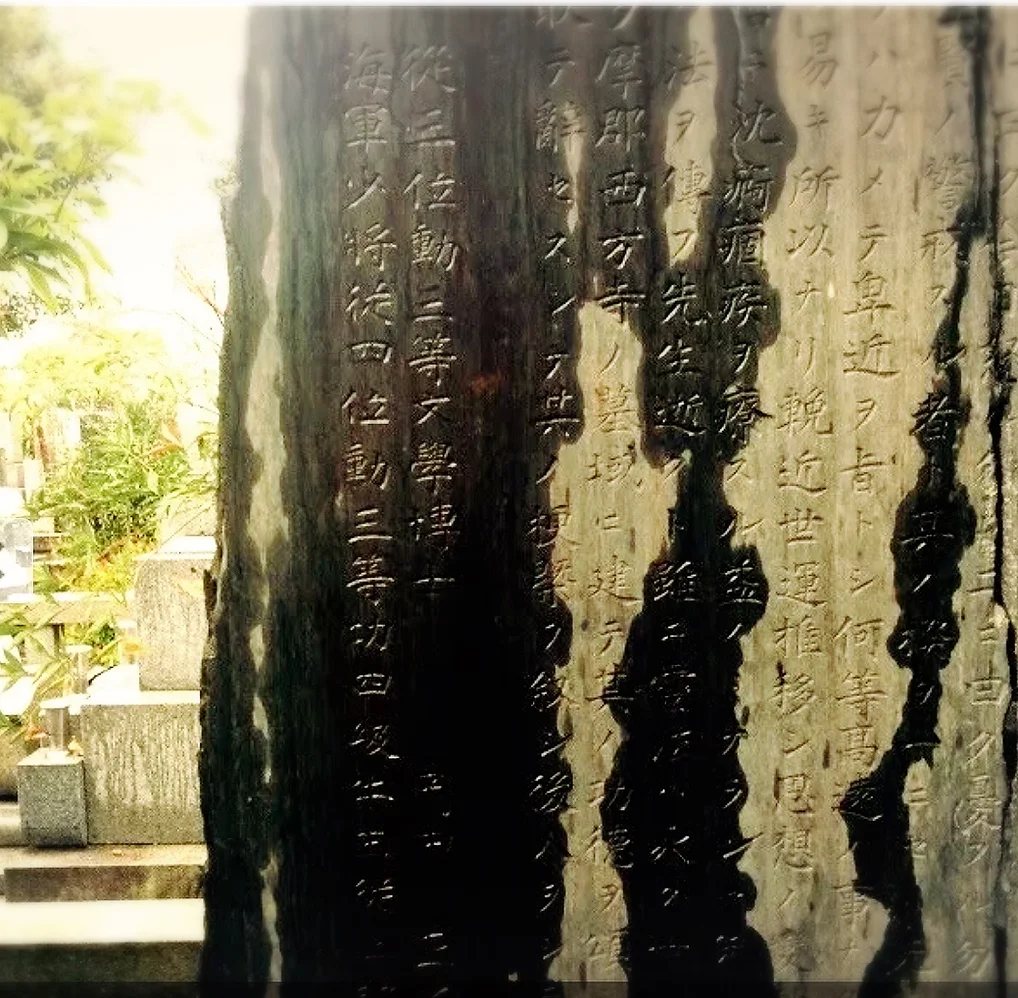
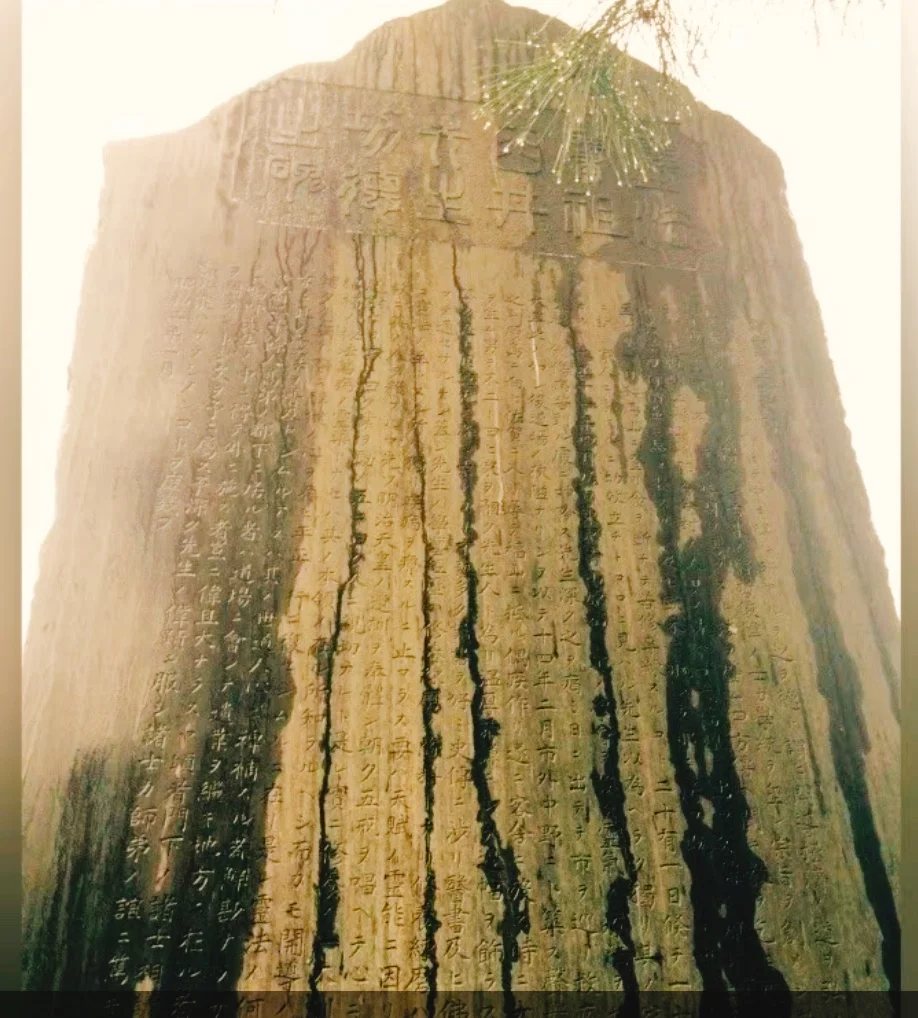
The “Memorial to the Virtues and Accomplishments of Usui, Founder of the Spiritual Method” was erected in February 1927, the second year of Showa, by students of the Usui Reiki Ryoho Gakkai at Usui's grave in Saihoji Temple, Tokyo. The text was composed by Masayuki Okada, Doctor of Literature, and written in calligraphy by Rear Admiral Jusaburo Ushida. The original inscription combines Japanese kanji and katakana. The following is a translation of the Chinese-text version circulated on this website.
Part One: Virtue and Accomplishment
The fruits of cultivation and discipline, accumulated within, are called virtue. The way of guiding and helping others, extended widely outward, produces accomplishment. Only with great accomplishment and profound virtue does one become a great teacher. From ancient times, the wise and outstanding figures who transmitted schools of learning and founded traditions have all been such people.
Master Usui was such a person. He newly established a method using universal Reiki to improve body and mind and taught it in all directions. Those who heard of it asked to learn, and those seeking healing asked for treatment. He readily responded, and they came to his door.
Part Two: Life
Alas, the master was commonly known as Mikao and used the name Gyoho. He came from Taniai village, Yamagata district, Gifu Prefecture. His ancestry traced to Chiba Tsunetane. His father's personal name was Taneuji, commonly known as Uzaemon, and his mother's family name was Kawai.
The master was born on the fifteenth day of the eighth month of Keio 1. From childhood he studied diligently and surpassed his peers in effort. He travelled far to Europe and America, and journeyed in China. Once established in the world, his aspirations did not follow a conventional course. He repeatedly experienced hardship, yet never yielded to constraint, and his discipline deepened. One day he climbed Mount Kurama and undertook arduous fasting and practice. After twenty-one days, he suddenly experienced a profound spiritual energy and awakening; from this came the Reiki method.
He tried it on himself and his family and observed immediate effects. He felt that rather than practise alone and benefit only his family, he should share it widely so that others might receive its blessings and support. In April of Taisho 11, he settled in Aoyama-Harajuku, Tokyo, established a society and taught Reiki. Those seeking healing came from near and far, filling the space outside his door.
In September of Taisho 12, the great earthquake and fires struck. The master was deeply moved by the suffering and cries of the injured and ill. Each day he went through the city offering aid and healing; who could count how much he did? Wherever he hurried, sufferers received help. Later, as the training hall became cramped, he selected a site and built in Nakano outside the city. His reputation grew, though the text records few invitations from other regions.
Responding to requests, the master travelled to Hiroshima, entered Saga and then reached Fukuyama. There he unexpectedly fell ill and died at his lodging on 9 March, Taisho 15, aged sixty-two by the reckoning used in the inscription. His wife, Sadako of the Suzuki family, bore one son and two daughters. Their son, Fuji, succeeded as head of the family.
Part Three: Character, Learning and the Five Principles
The master was warm, respectful and modest, unconcerned with outward adornment. He had a large physique and often smiled. He was resolute, patient and deeply thoughtful. Naturally talented and versatile, he enjoyed histories and biographies, medical books, and Buddhist and Christian scriptures. He explored psychology, methods of the immortals, spells, divination and physiognomy, and was well versed in them. His learning, arts and experiences supplied the material for his cultivation and discipline. It is clearly apparent that this cultivation and discipline were the key to founding his spiritual method.
The central purpose of the spiritual method extended beyond treating illness: through one's innate spiritual capacity, a right mind and a healthy body, one could enjoy the blessings of life. Thus, when teaching, he first referred to the late Emperor Meiji's guidance and asked people to recite five principles in their hearts morning and evening: first, just for today, do not be angry; second, do not worry; third, be grateful; fourth, be diligent; fifth, be kind to others. These are indeed great instructions for personal cultivation.
They are in accord with the admonitions of the ancient sages. The master called this “the secret method of inviting happiness” and “the spiritual medicine for all illnesses”, revealing where his essential teaching lay. His way of guidance remained simple and close to everyday life: sit quietly with palms together and recite morning and evening, nurturing a sound mind and upright conduct, then put this into practice. In this lies the accessibility of the spiritual method, which anyone may undertake.
Part Four: Legacy and the Memorial
Yet as modern times move on, the text speaks of limited change in thought. Fortunately, this spiritual method can spread, though the text describes its contribution to society and people's hearts as small. Its benefit is not confined to treating persistent illness. More than two thousand people entered the master's school. Senior students in the capital gather at the training hall to continue his work, while those in other regions each transmit the method.
Though the master has passed away, his spiritual method will continue to spread. Alas, were not his inner attainment and outward service great? Recently, his students consulted together and decided to erect a memorial to his virtues and accomplishments in the burial grounds of Saihoji Temple, Toyotama district, so that his memory would endure. They asked me to compose the inscription. In deep admiration of his great achievements, I hope to make them known to future generations.
—February, Showa 2. Composed by Masayuki Okada, Doctor of Literature; calligraphy by Rear Admiral Jusaburo Ushida.
Plain Reading
5. The Memorial Inscription in Plain Language
| Passage | Plain-language meaning |
|---|---|
| Virtue and accomplishment | What is gained through cultivation and discipline is called virtue; sharing that virtue widely with others creates merit. A person of great virtue and merit becomes a master of their generation. Usui was such a person, and the Reiki he founded drew many people seeking teaching or healing. |
| Origins | The master was commonly known as Mikao and used the name Gyoho. He came from Taniai village, Yamagata district, Gifu Prefecture. His ancestry traced to Chiba Tsunetane; his father's name was Taneuji and his mother's family name was Kawai. |
| Study and hardship | He studied diligently from childhood and travelled in Europe, America and China. His aspirations differed from those of his contemporaries; although he repeatedly faced hardship and poverty, he never gave in and continued to deepen his practice. |
| Mount Kurama | One day, he ascended Mount Kurama for fasting and meditation, and on the 21st day, he experienced a strong sense of Reiki, which led him to a sudden awakening, and the practice of Reiki thus came into being. |
| Founding the society and teaching | He first tried the method on himself and his family, then felt it should be shared widely. In April of Taisho 11, he established a society in Aoyama-Harajuku, Tokyo, where those seeking instruction crowded outside the door. |
| The Great Kanto Earthquake | After the great earthquake in September of Taisho 12 (1923), Usui went through the city daily, helping countless injured people. |
| Later years and death | The training hall later moved to Nakano, and invitations came from various regions. Usui travelled to Hiroshima, Saga and Fukuyama, dying of illness while visiting Fukuyama on 9 March, Taisho 15. His wife, Sadako Suzuki, bore one son and two daughters. Their eldest son, Fuji, continued the family line. |
| Character and learning | He was warm and modest, unconcerned with appearance, often smiling, resolute and patient. He read widely in history, medicine, Buddhism and Christianity, and also explored psychology, methods of the immortals, spells, divination and physiognomy. |
| Five Reiki Principles | Usui taught people first to read Emperor Meiji's teachings, then recite the Five Reiki Principles inwardly each morning and evening and sit quietly with palms together, cultivating a sound mind and upright conduct. |
| Legacy and the memorial | He had more than two thousand students. Senior students continued his work at the Tokyo training hall, while students elsewhere transmitted the method in their own regions. They agreed to erect a memorial in Saihoji Temple's burial grounds to honour his virtues and accomplishments for future generations. |
Note: the inscription is a historical document from 1927. Expressions such as “treating illness” and “spiritual medicine for all illnesses” reflect the records and language of that time. By modern standards, Reiki is a complementary relaxation and self-care practice. The US National Center for Complementary and Integrative Health (NCCIH) states that Reiki has not been clearly shown to be effective for any health-related purpose. It cannot replace diagnosis or treatment by a registered doctor.
Gokai
6. The Five Principles in the Inscription
| Sequence | Original wording | Common modern translation |
|---|---|---|
| One | Just for today, do not be angry | Just for today, do not be angry |
| Two | Do not worry | Do not worry |
| Three | Be grateful | Be grateful |
| Four | Be diligent | Practise diligently and fulfil your responsibilities |
| Five | Be kind to others | Be kind to others |
The inscription calls the Five Reiki Principles “a great teaching for self-cultivation” and mentions Usui beginning his teaching with Emperor Meiji's teachings. Researchers still differ over the principles' precise origins. The Five Reiki Principles and Buddhism's Five Precepts share a Chinese name but differ in content. For a comparison, see Latest news ; for applying the Five Principles in daily life, read How Can Reiki Support Abundance and Prosperity? Mindset and Practice 。
Lessons
7. The Spirit of Usui Reiki in the Inscription
Personal Cultivation Before Technique
The inscription begins with “cultivation and discipline” and states that these were “the key to founding the spiritual method”. Usui Reiki is more than a set of techniques: it is a path of personal cultivation. This also informs Soul Love Center's progression through “body → mind → spirit”. For details, see What is the integration of body, mind, and spirit? 。
Resilience in Adversity
The stone inscription records that Mikao Usui said, 'Repeatedly impoverished... never yielding.' This echoes the experience of teacher Cathy Wong, who moved from hardship to 'adversity giving way to prosperity.' For details, see Cathy Wong's Healing Journey 。
Broad Learning and Eastern Wisdom
The stone inscription states that Mikao Usui was well-versed in Buddhist and Christian classics, psychology, and the 'divination and fortune-telling' art. Divination is a traditional use of the I Ching, indicating that Mikao Usui was not unfamiliar with the East Asian tradition of the I Ching; however, the inscription does not mention that he incorporated the I Ching into his Reiki teachings. The connection between the I Ching and Reiki can be read in The connection between I Ching Philosophy and Reiki Healing 。
Care for Yourself Before Caring for Others
The stone inscription records that Mikao Usui 'tested it on himself, for the family' and then spread it to the world. This is the traditional approach of Reiki, starting with self-healing, and the practice methods can be seen in 12 Reiki Hand Positions for Self-Healing 。
Harmony Between Heaven and Humanity
The translated birthplace memorial describes the state “the universe is me, and I am the universe”, which resonates with the Eastern idea of harmony between humanity and heaven.
Legacy
VIII. After Mikao Usui: How Reiki Spread Worldwide
The inscription records that Usui had over 2,000 students when he died. Senior students continued his Tokyo practice centre, while others taught in their own regions. One student, former naval physician Chujiro Hayashi, continued teaching. Hawayo Takata, a Japanese-American woman from Hawaii, studied with Hayashi in the 1930s, became a Reiki teacher in 1938 and taught in the United States. Before her death in 1980, she trained 22 Reiki Masters, helping Reiki spread worldwide.
Today's Usui Reiki has developed multiple schools, including Tibetan Reiki and extended systems, see detailed information Usui Reiki vs Tibetan Reiki: 5 Key Differences 。
Learn Usui Reiki at Soul Love Center
| Courses | Content Related to the Usui Tradition | Fee |
|---|---|---|
| Usui Reiki Level 1 | Introduction to Reiki and its history, principles, professional guidelines, and two attunements | HK$900 |
| Usui Reiki Level 2 | Three Reiki symbols and distant Reiki | HK$1,380 |
| Advanced Usui Reiki | Master symbol and designated symbol | HK$1,880 |
| Usui/Tibetan Reiki Master Level | Attuning others and professional ethics for Reiki practice | HK$8,888 |
For a comparison of all courses, see Our services ; for teacher information, see Our Teacher ;If you only want to try first, you can book a Reiki healing session, and the process is seen Reiki Session Fees and What Happens During a Session 。
FAQ
Mikao Usui: Frequently Asked Questions
Who Was Mikao Usui?
Mikao Usui (15 August 1865–9 March 1926), also known as Gyoho, was born in Taniai village, Yamagata district, Gifu Prefecture, Japan. He founded the Usui Reiki method, establishing a society in Aoyama-Harajuku, Tokyo, in April 1922 to teach it. He had more than two thousand students.
Where Is Mikao Usui's Memorial?
The Memorial to the Virtues and Accomplishments of Usui, Founder of the Spiritual Method, stands at his grave in Saihoji Temple, Tokyo, now in Suginami Ward. His students erected it in February 1927, the second year of Showa. Masayuki Okada, Doctor of Literature, composed the text, and Rear Admiral Jusaburo Ushida wrote the calligraphy.
Where Are the Three Sacred Reiki Sites?
These generally refer to Mikao Usui's birthplace in Taniai, Yamagata City, Gifu Prefecture; his place of practice on Mount Kurama in Kyoto; and his resting place at Saihoji Temple in Tokyo.
What Are the Five Principles Recorded on the Memorial?
The inscription lists: “First, just for today, do not be angry; second, do not worry; third, be grateful; fourth, work diligently; fifth, be kind to others.” It also records Usui teaching students to bring their palms together morning and evening and recite the principles inwardly.
Does the inscription mention '62 years old'? It does not match the 1865–1926 period?
The inscription's age of sixty-two follows traditional Japanese age reckoning. By completed years of age, Mikao Usui was 60 when he died.
The inscription mentions 'treatment', but does Reiki actually treat diseases?
The inscription is a historical document from 1927, reflecting the records and terminology of that time. According to modern standards, Reiki is considered an auxiliary relaxation method and has not been clearly proven effective for any health use. It cannot replace the diagnosis and treatment of a registered doctor.
For more questions, see Frequently asked questions ; for all articles, see Article library ; for the teacher's videos, see Videos 。
Continuing Usui's Reiki Tradition
“Cultivation and discipline are the key to establishing the spiritual method.” Begin with Usui Reiki Level 1 and discover this century-old approach to self-cultivation.
